
TEETH STRAIGHTENING WITH
INVISALIGN BRACES FROM £2,999
GET THE WHITER, STRAIGHTER SMILE THAT YOU’VE ALWAYS WANTED TODAY
Are you one of the many people impacted by the sudden closure of Smile Direct Club?
Let’s chat and see if there’s anything we can do to help you out.
Call us today on 01474 537191
Welcome to Parrock Dental & Implant Centres
in Gravesend & Northfleet, Kent
Award-Winning Dental Team in Kent
Parrock Dental is a group of general, dental implant and cosmetic dental practices based in Kent, offering outstanding dental solutions from its two locations in Gravesend and Northfleet Dartford.
Our award winning team, led by Dr. Rik Trivedi, has been specially selected to offer the broadest possible range of dental and aesthetic treatments. Each of our premises has been designed to the highest standards and populated with state of the art dental technology, helping us to meet and excel every required category from the Care Quality Commission (CQC).
Our aim is to help our patients create and maintain beautiful smiles that not only look amazing, but also afford maximum health benefits to the individual. We tailor each treatment to your needs and pride ourselves on our unparalleled level of service.
Whether you’re interested in getting a ‘smile makeover’ or simply want to make sure your teeth are as healthy as can be, we can help.
Start your journey – Book Your Consultation
48 business hours notice is required for cancellations and appointment changes.
Embarrassed by missing or broken teeth?
Whether you’re missing a single tooth or many teeth, we can help you smile again with dental implants.

New Patients Always Welcome
Here at Parrock Dental, we are always delighted to welcome new clients to our clinic without a referral. We look forward to being your dental provider in Kent.

Gravesend's Award-Winning Team
We have the highest Google ratings for a dentist in Gravesend, Kent. Both of our dental implant centres offer the highest standards in dentistry, from a team with unrivalled expertise and diversity, to meet the individual needs of our patients.
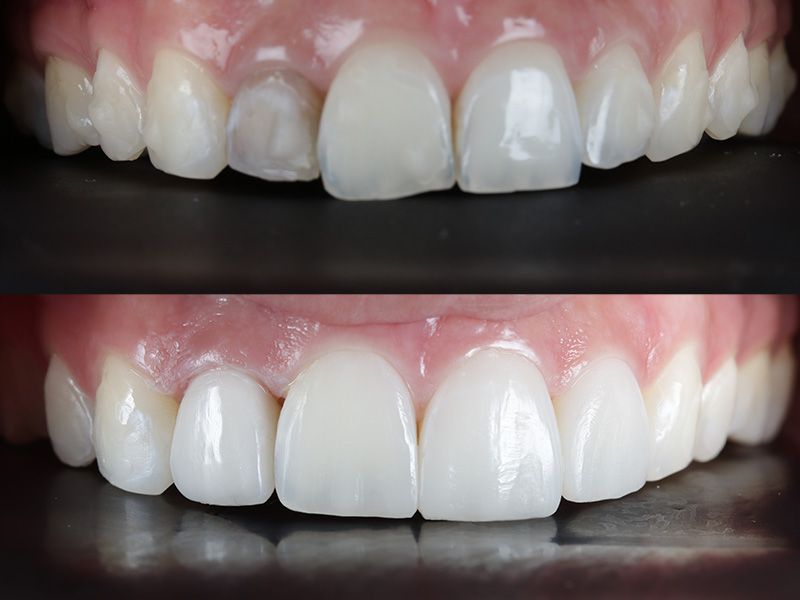
Composite Bonding
Would you like to update your smile with stunning looking teeth?
Composite bonding from £18 per month
Featured Treatments
Our dental practice’s are committed to keeping our patients’ teeth healthy, strong and looking good. If you are unsure which treatment is the right one for you and your smile, then please book a free consultation with our TCO.
Get in touch today to find out more.
Missing Teeth - Dental Implants
Dental implants are one of the best and most effective solutions when you need to replace missing teeth.
Teeth Straightening - Braces
We offer a wide range of adult orthodontic treatments to our clients in Kent to help them achieve the smile of their dreams.
New Smile - Cosmetic Dentistry
Your final restorations are produced exactly to your approved trial smile and bonded to your teeth permanently.

Our Dental & Implant Centres
Experience the difference at our Parrock Dental Implant Centres; with a team of award winning dentists, excellent dental care is at your fingertips. Enquire at one of our dental practices in Kent.
Gravesend Dentist
189 – 191 Parrock Street
Gravesend
Kent
DA12 1EN
Our Gravesend Dental Practice is located in the heart of Gravesend; it’s a 5 minute walk away from both the main High Street, and Gravesend train station.
Northfleet Dentist
Northfleet
Kent
DA11 8RD


